Bulgarian Food & History Tour in Sofia – Includes Vintage Tram Ride

Bulgarian Food & History Tour in Sofia – Includes Vintage Tram Ride

Discover Sofia in the most authentic way — through its flavors, stories, and hidden streets. This 3-hour small-group tour combines fascinating history with traditional Bulgarian cuisine, giving you a true taste of the city’s soul.

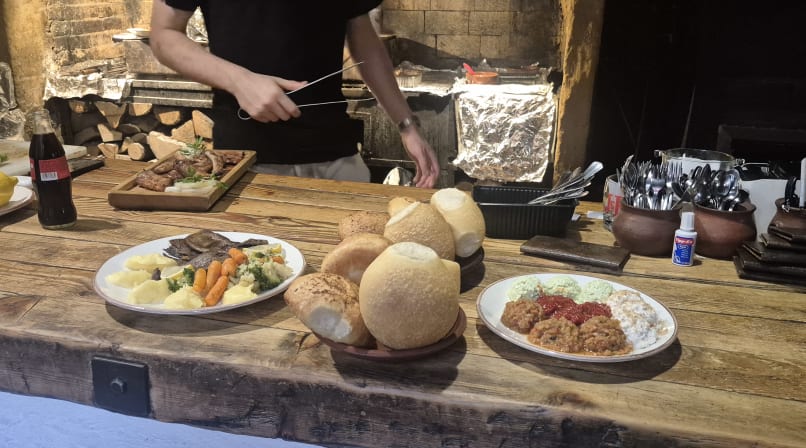
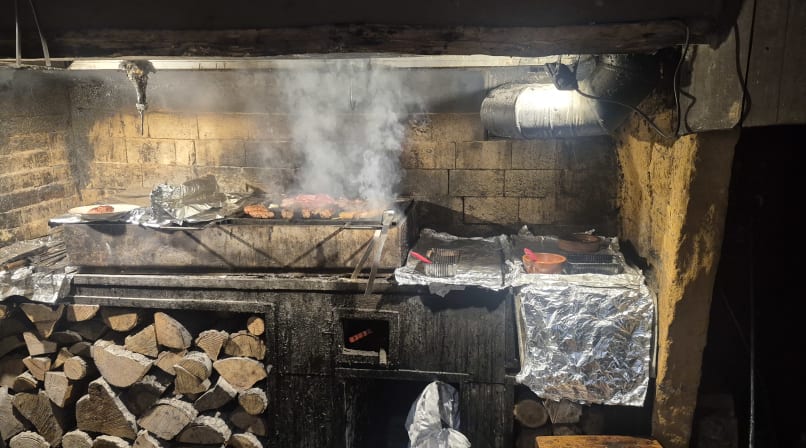
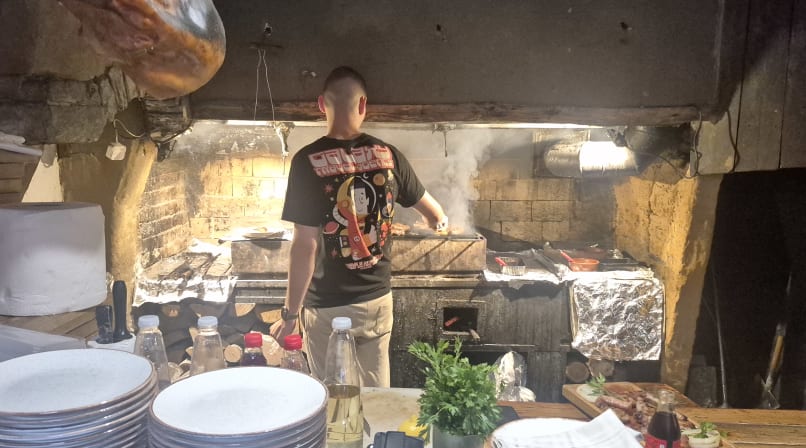
We begin with a short introduction to Sofia’s past while strolling through lively streets and squares. Along the way, you’ll enjoy carefully selected tastings that represent Bulgaria’s culinary traditions: a freshly baked banitsa (cheese pastry), grilled local cheese on a hot plate, a stuffed vegetable dish like chushka burek, and a hearty sample of slow-cooked lamb “haiduk-style.” To finish, we sweeten the walk with a traditional dessert.

Please note: the menu may vary depending on the day, ensuring the freshest and most seasonal ingredients.

But this experience isn’t just about food. You’ll also step onto Sofia’s nostalgic tramway — a ride on one of the city’s vintage tram lines that has been carrying locals for decades. From the windows, you’ll see a different side of Sofia, away from the main boulevards, while your guide shares stories about life here, past and present.

Your guide is a local who knows the city intimately and adds personal touches to every stop — from small family-run bakeries to hidden courtyards and landmarks you won’t find in the guidebooks.

Highlights:

Taste a variety of authentic Bulgarian dishes (menu varies by day)

Ride on a vintage Sofia tram and explore the city like a local

Learn about Sofia’s layered history — from Roman times to the present

Perfect mix of food, culture, and city exploration

Whether you’re a history enthusiast, a food lover, or simply curious about local life, this tour offers a flexible, unforgettable taste of Sofia.

What's included

5 ( Five ) food stops.

Guide

Tickets for the tram

What do I need to bring

Smile

Attention

  • Not wheelchair accessible
  • Not stroller accessible
  • Infants must not sit on laps
  • Infant seats unavailable
  • Not recommended for pregnant travelers

We can accommodate dietary restrictions such as vegetarian, vegan, gluten-free, etc. If you have dietary requirements. Please indicate it to the special requirements at the time of booking

Itinerary

The largest church in Bulgaria

!

!

The atmosphere of the home

The Romantic poet and revolutionary Peyo Yavorov (1878–1914) briefly lived in a small apartment here; the three rooms have been restored to their original appearance, while ghoulish mementoes include Yavorov’s death mask and the dress Yavorov’s wife, Lora, was wearing when she killed herself in the study

The house was build in 1896

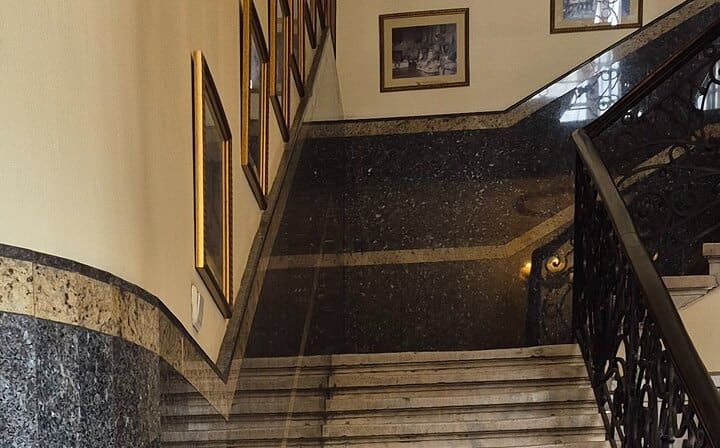
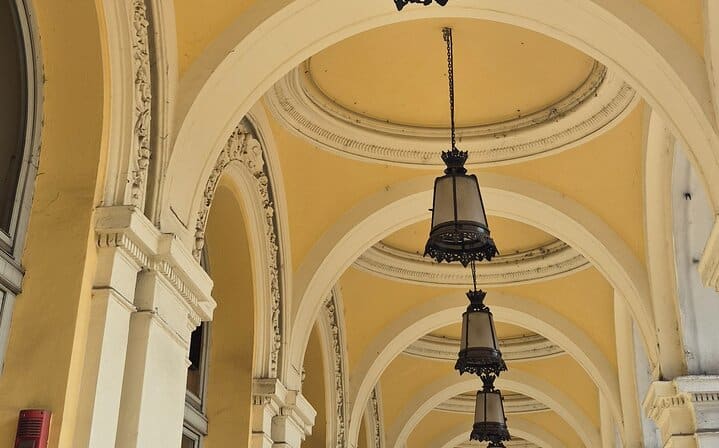
The royal palace, a typical example of Second Empire architecture with chateauesque connotations, was constructed in two stages, the first lasting between 1880 and 1882 during the rule of Knyaz Alexander Battenberg, when Austro-Hungarian architects under Viktor Rumpelmayer worked on the building. It was inaugurated on 26 December 1882 and constituted the representative part of the palace, encompassing the administrative ground floor, the ballrooms above and the service third floor. The second stage, during Knyaz (later Tsar) Ferdinand, saw the construction of the palace's east wing by Viennese architect Friedrich Grünanger, who incorporated elements of Viennese Neo-Baroque. The east wing was where the apartments of the royal family were located, but some service premises (including a lift) were also located there.

The royal palace, a typical example of Second Empire architecture with chateauesque connotations, was constructed in two stages, the first lasting between 1880 and 1882 during the rule of King Alexander Battenberg, when Austro-Hungarian architects under Viktor Rumpelmayer worked on the building. It was inaugurated on 26 December 1882 and constituted the representative part of the palace, encompassing the administrative ground floor, the ballrooms above and the service third floor. The second stage, during King Ferdinand, saw the construction of the palace's east wing by Viennese architect Friedrich Grünanger, who incorporated elements of Viennese Neo-Baroque. The east wing was where the apartments of the royal family were located, but some service premises (including a lift) were also located there.

!

!


Bulgarian Food & History Tour in Sofia – Includes Vintage Tram Ride

Total €0.00